Builds
Shells, weapons, combat timing and upgrade planning. Every field note identifies its evidence and version boundary.
What this section solves
Buildcraft in Mortal Shell II begins with behavior, not a tier list. A Shell changes what mistakes you can survive and which innate action shapes your rhythm; a weapon changes reach, recovery, posture pressure, and the moment you can safely leave. Harden, parry, and upgrades then refine that pairing. This workbench keeps those variables separate so an improvement can be reproduced instead of merely felt.
Read with a decision in mind
- Shells: identify survival pattern and innate behavior.
- Weapons: test reach, recovery, and posture on the same encounters.
- Harden & Parry: rehearse one readable attack until the response is repeatable.
- Upgrade Planning: spend only after the intended action already works.
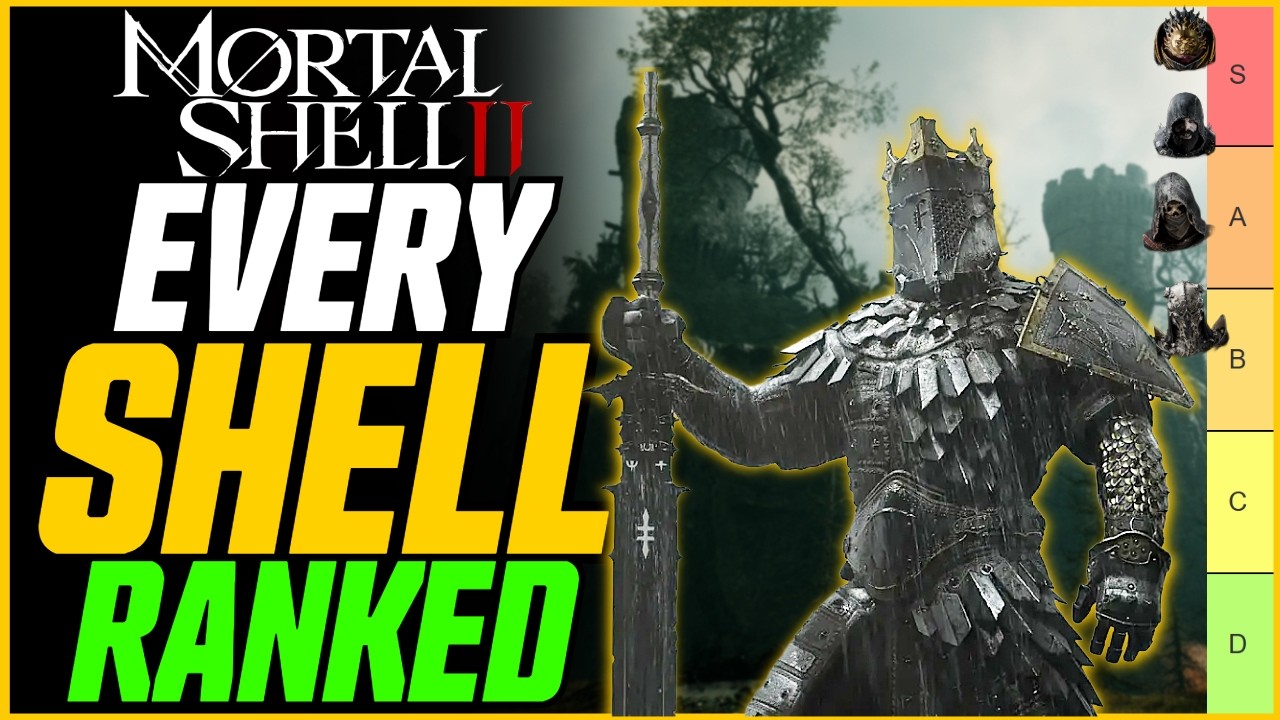
Mortal Shell II Shells Guide
How eight fallen warriors work as combat archetypes—and how to choose one.
Open archive →
Mortal Shell II Weapons Guide
A weapon test based on reach, recovery and posture pressure—not invented rankings.
Open archive →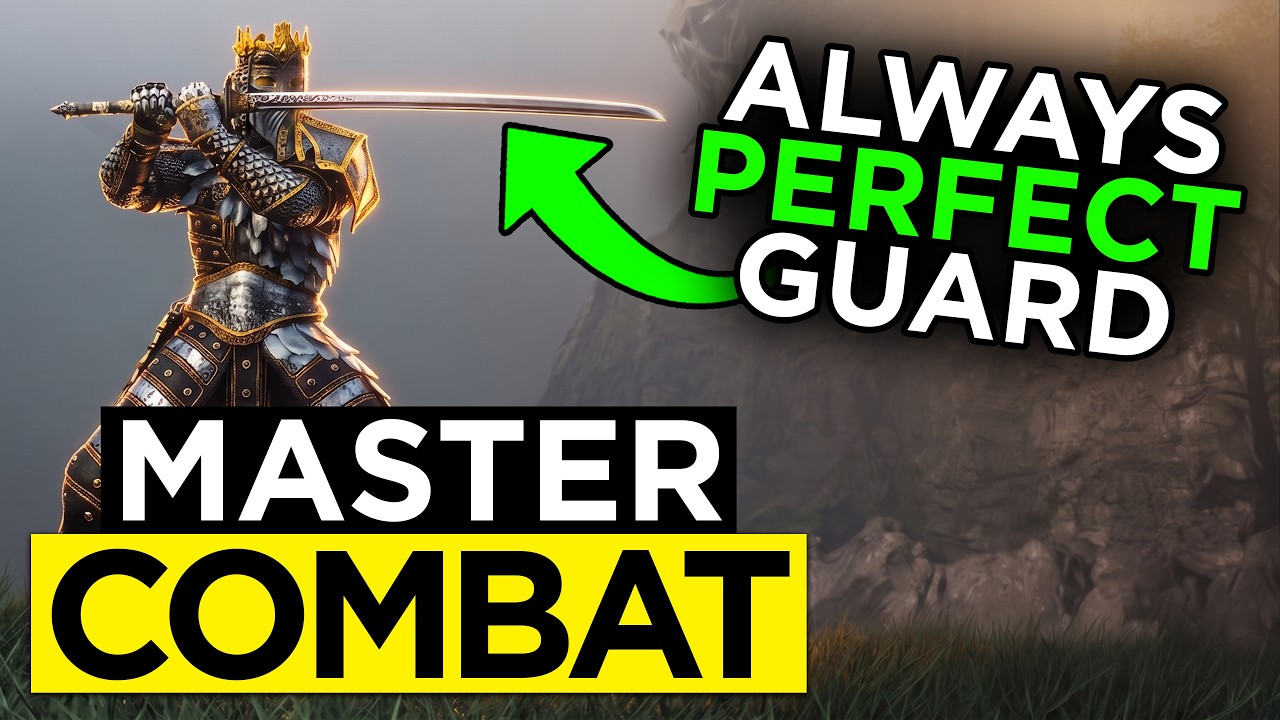
Harden, Parry & Posture Guide
Timing drills for Harden, parries and posture breaks in faster combat.
Open archive →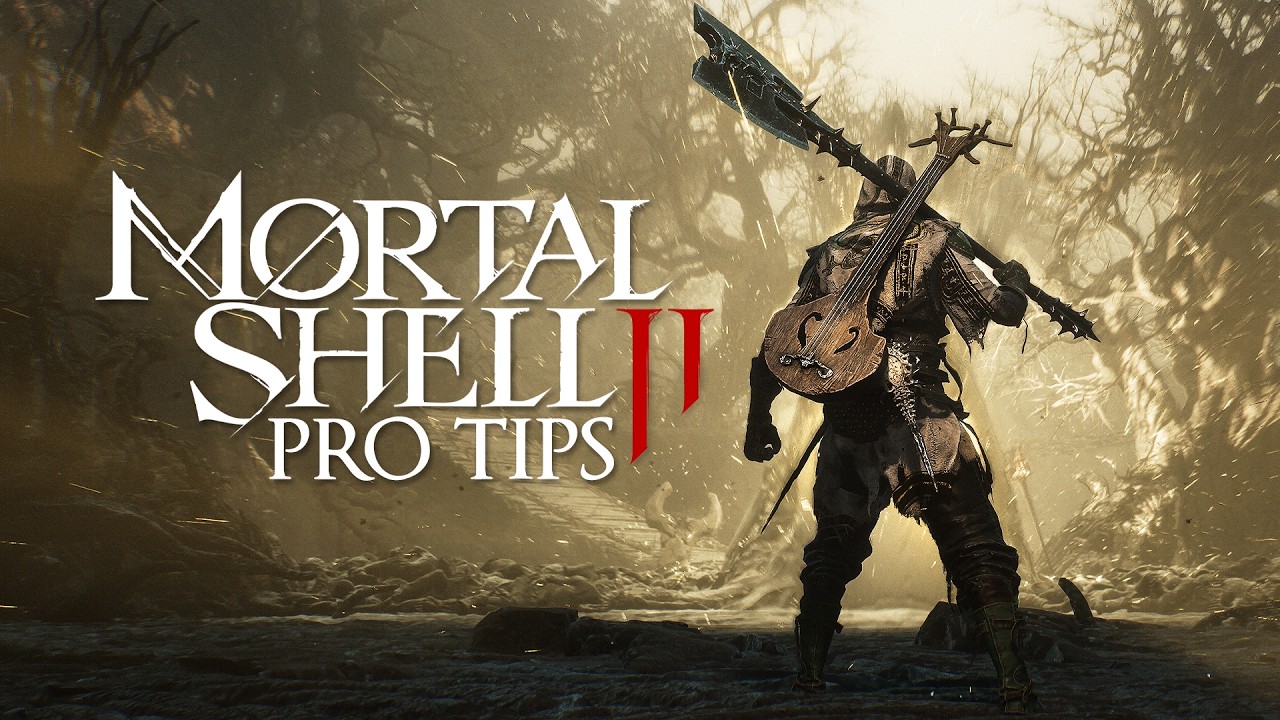
Upgrade Planning Guide
A Week 1 upgrade workbench for renewable resources, Shell respecs and weapon investment.
Open archive →Choose the right field note
Is there one best build?
No universal winner is supported by the cited material. A reliable build is one whose Shell forgives the mistakes you actually make, whose weapon exits safely at your preferred range, and whose upgrades reinforce that same loop.
Should I pick a Shell or weapon first?
Hold one side constant while testing the other. If a Shell's innate behavior is the reason you want to play, fix that Shell and compare weapons; if a moveset feels essential, keep it equipped while comparing Shell survivability.
Why avoid exact launch rankings?
Pre-release footage can demonstrate animations and roles, but patches can change costs, damage, and balance. These pages emphasize observable reach, recovery, cues, and upgrade purpose so the method remains useful when a number moves.
When should rare materials be spent?
Spend after the current interface confirms the effect and replacement path, and after the unupgraded action succeeds in controlled encounters. An upgrade should strengthen a coherent decision rather than rescue a pairing you dislike.