Harden, Parry & Posture Guide
Timing drills for Harden, parries and posture breaks in faster combat.
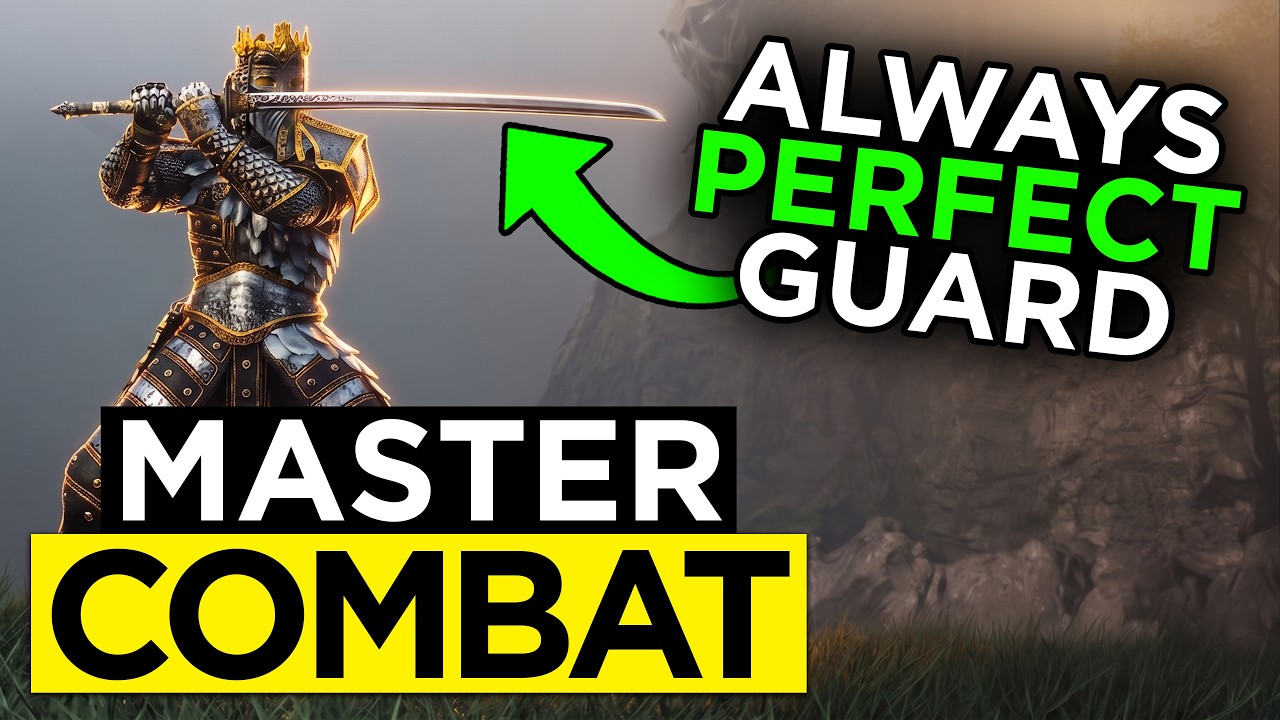
Harden is a timing resource
Harden is strongest when it protects an action that would otherwise be interrupted. Activate it during a known swing, absorb contact and finish or exit by reading recovery.
Stone-state is not permanent armor. Its cooldown creates a second phase where spacing replaces aggression.
Parry a known beat
Start with one repeated attack. Watch the shoulder or weapon, choose one cue and attempt the parry without adding a combo first.
If success remains inconsistent, movement or Harden may be correct. Not every dangerous move must become a parry test.
Build posture deliberately
The official page confirms posture can be shattered for critical strikes. Apply pressure only while you can preserve the opening.
If posture nearly breaks but Harden and healing are unavailable, reset instead of gambling the whole attempt.
Five repetitions
Repeat one pattern five times: observe, Harden, evade, parry, then choose the most reliable response.
Move on only when you can name the cue and your exit. Bosses combine patterns, but learning still happens one readable beat at a time.
Cue-response table
Build a small table with the enemy cue, chosen response, timing landmark and safe punish. Use Harden for the cue you cannot yet evade consistently, parry only the cue with a stable visual beat and move away when neither response is reliable.
Five clean repetitions are stronger evidence than one dramatic success. Recheck timing after patches because animation and cooldown adjustments can change the safe window.
Failure-mode diagnosis
If Harden fails, determine whether activation was late, the cooldown was unavailable or the follow-up stayed committed too long. If a parry fails, remove the counterattack and test only the input against the same cue.
Do not treat stamina-free combat as permission to loop attacks. Enemy interruption, posture and recovery still create real limits that must be read on screen.
September 5 update — chained parries
Consecutive parries with the Infinite Seal now accept a wider part of the next attack's wind-up animation. The change is specifically intended to let a string of incoming hits be parried instead of limiting the response to the first hit.
Status effects can also be applied while an enemy is standing after a riposte. Retest any older timing notes against the current build before treating a pre-update window as authoritative.
September 25 hotfix — Seal and weapon behavior
The September 25 hotfix fixes the Slayer Seal becoming unresponsive and corrects Clockwork Scythe elemental effects that were not applying properly. Update first before diagnosing either symptom as an input or build problem.
The notes confirm the fixes but do not publish new parry windows, damage values or elemental scaling. Keep the same cue-response drill and verify the current interface before changing a timing recommendation.
Timing audit
Record whether the cue, input, contact and recovery occurred in the expected order. If the sequence fails twice, slow the drill down and remove the punish, because practicing a guessed timing at full speed reinforces uncertainty instead of producing a reproducible Harden or parry response.
Sources & visual context
Version note: open-beta behavior is never treated as permanent launch fact. Interface labels, balance, triggers and performance can change after the August 2026 release.
Harden, Parry & Posture Guide FAQ
Can I Harden while attacking?
Official footage demonstrates Harden being used during committed attacks, which is central to its tactical value. Practice by activating it inside a known swing and observing whether contact is absorbed before recovery begins. Do not assume every animation has identical timing in the release build.
What does posture do?
Breaking enemy posture creates an opening for critical strikes according to the official combat description. Pressure is useful only if enough safety remains to exploit the break. Reset when healing and Harden are unavailable instead of gambling the entire attempt on an almost-full meter.
Does no stamina mean infinite combos?
No-stamina combat does not mean an infinite safe combo. Attacks still occupy time, enemies still control space, and recovery can expose the player. Extend a string only after the opponent's response remains readable and a defensive exit is still available.
Should I parry every attack?
You should not parry every attack simply because a parry exists. Choose one repeated cue, watch the shoulder or weapon, and test the input without adding a punish. Use movement or Harden when the cue remains inconsistent after several controlled attempts.
Where should I practice?
Practice against one basic enemy with a repeatable pattern and enough space to reset. Change only the response—observe, Harden, evade, then parry—so timing differences stay visible. Move to a harder target after you can describe the cue and recovery window.